Finding the Best River Rest Areas
A guide to the quietest and most scenic spots along the Glenmalure river where you can rest, explore pools, and experience the valley's peaceful atmosphere.
Everything you need to know about the valley floor walk — distance, difficulty, what to bring, and the best times to visit this peaceful area

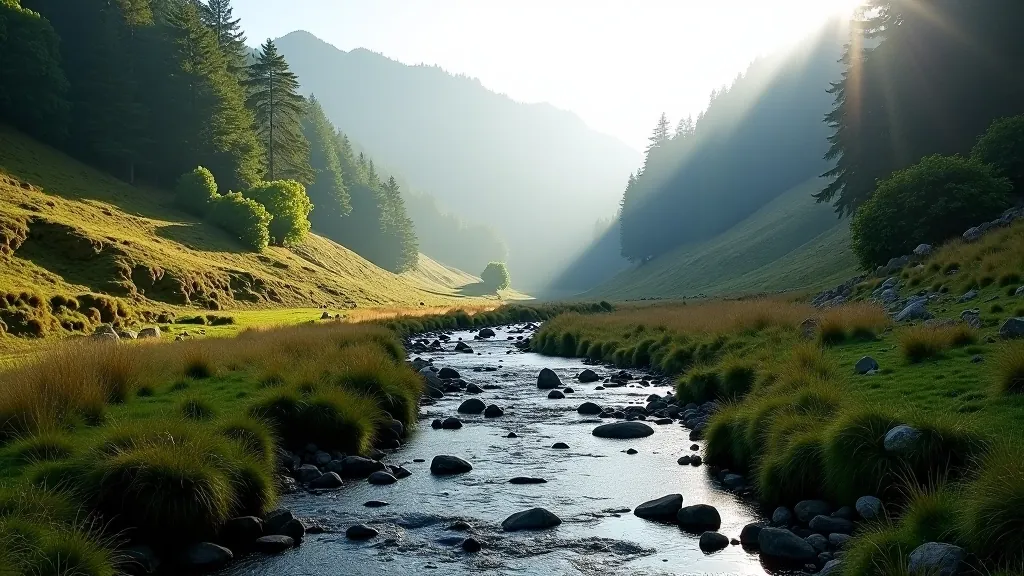
The Glenmalure valley floor walk is one of those rare trails where you can actually feel the landscape around you. It's not a challenging hike — mostly flat ground following the river — but it's deeply rewarding in ways that steeper walks aren't. The valley walls tower above you on both sides, dark granite faces that've been shaped by water and weather over thousands of years.
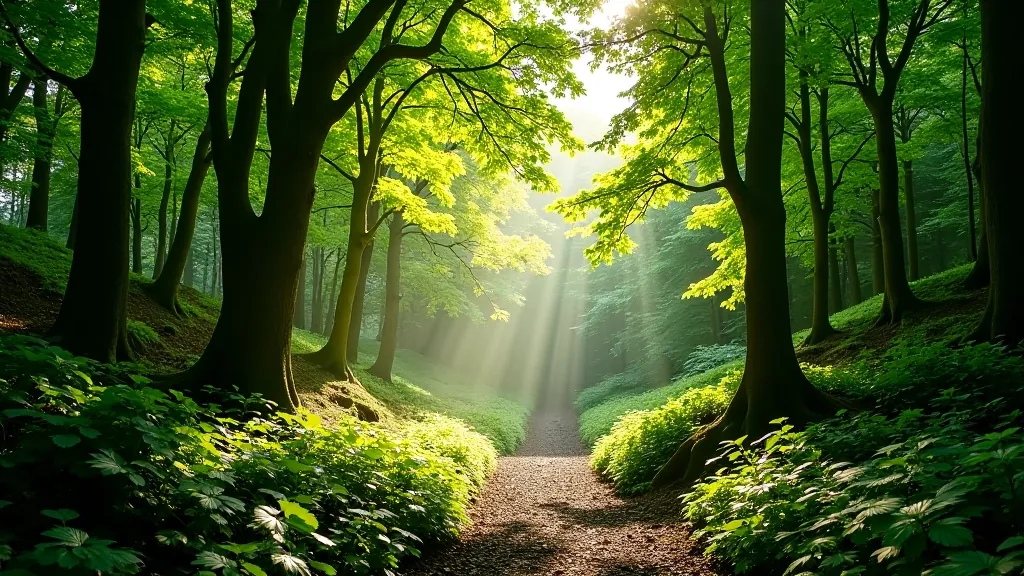
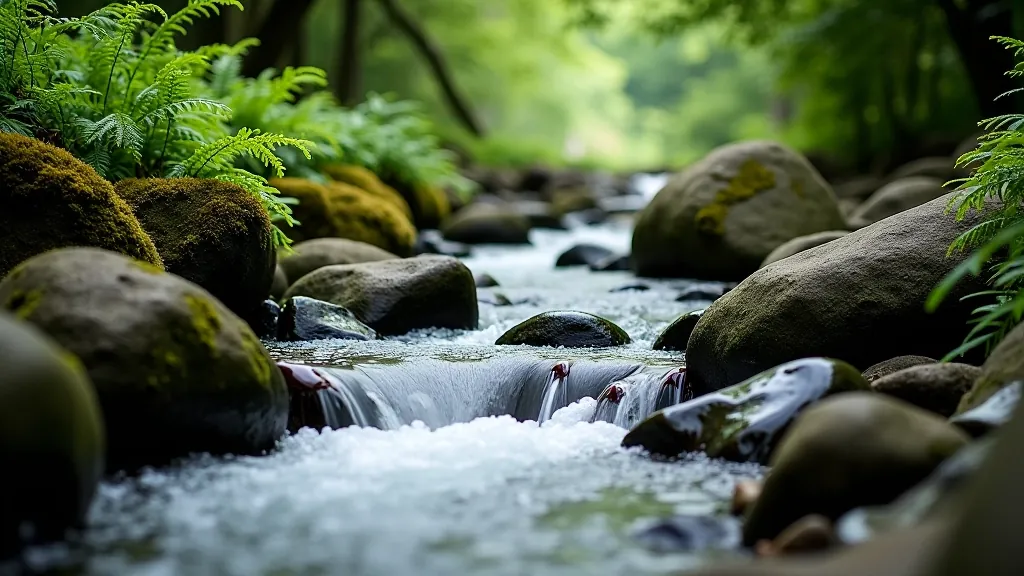
You'll start at the main car park near Drumgoff and head down toward the river. The path meanders through mixed woodland — oak, birch, and rowan — with moss-covered stones and ferns growing thick along the edges. There's this constant sound of water that gets louder as you move deeper into the valley. Not in a threatening way. More like the valley's telling you something if you listen.
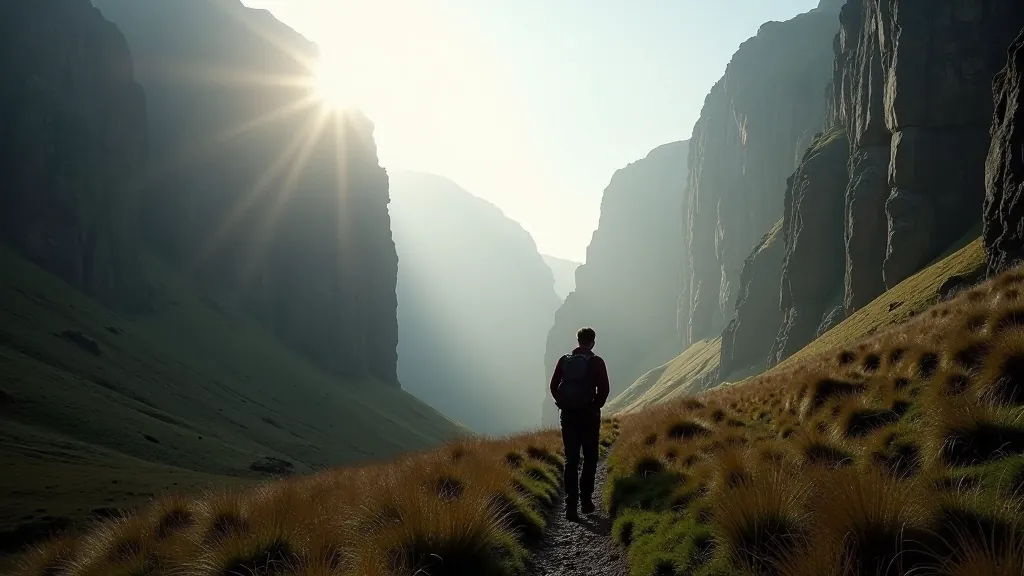
The main valley floor walk covers roughly 4 kilometers as a round trip, which takes most people about 90 minutes at a relaxed pace. It's not a race — you'll want to stop and look around anyway. The elevation gain is minimal (maybe 80 meters), so it's genuinely suitable for all fitness levels. That said, the ground can be muddy and uneven in places, especially after rain. Good footwear isn't optional here.
The trail's well-marked with occasional posts, but it's not a manicured path. You're walking through actual woodland where roots stick up and stones shift underfoot. Children can manage it fine if they're comfortable with uneven terrain. People with mobility issues might find the footing challenging — it's worth considering before you go.
Spring (April-May) is when the valley really comes alive. The river's higher from snowmelt in the hills, and the woodland floor's covered in wildflowers — wood sorrel, primrose, and bluebells if you're lucky. Summer's busy. The car park fills up early, especially weekends, and the valley can feel crowded by midday. But if you're there by 8 or 9 in the morning, you'll have it mostly to yourself.
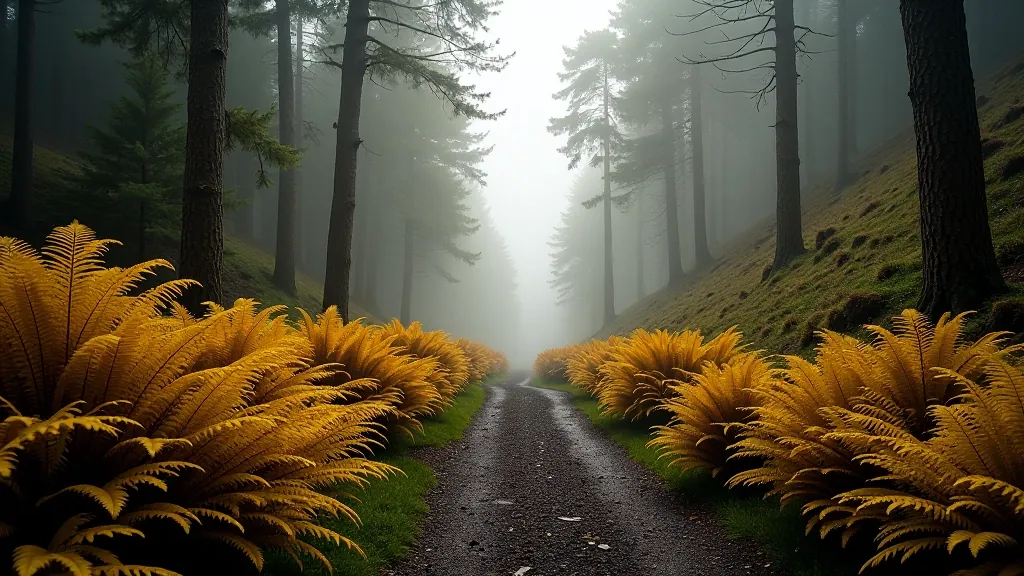
Autumn's probably the best season if you want atmosphere. The light gets softer, the ferns turn golden-brown, and there's this quality to the air that makes everything feel more vivid. Winter's quieter but wetter. The valley gets less sunlight down on the floor, so it stays muddy longer. Midges are worst in July and August, particularly in warm, still conditions.
The valley's always cooler than surrounding areas because of the altitude and tree cover. Bring a layer even on warm days. And remember — weather can change quickly in the mountains. If it looks clear when you park, that doesn't mean mist won't roll in within an hour.
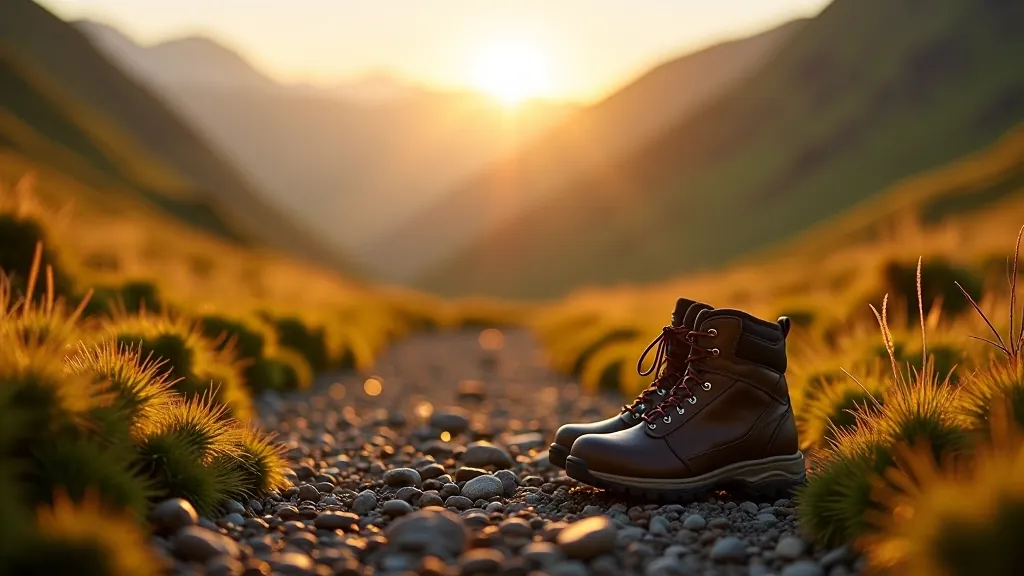
Waterproof hiking boots or trail shoes with good grip. The paths get slippery even when they look dry. Trainers will work if they're sturdy, but you'll regret it if it's been raining.
Carry at least 1.5 liters of water per person. There's the river, but you'll want treated water. Bring energy food — nothing fancy needed. Trail mix, fruit, or a sandwich keeps you going.
Start with a base layer or t-shirt, add a fleece or light jacket, and bring a waterproof outer layer. The valley's always cooler than you expect, and weather changes fast.
Sunscreen, sunglasses, and a hat. Yes, even on cloudy days. The sun reflects off the river and stone, and you're exposed at altitude. Don't skip this.
Bring your phone fully charged. Signal's spotty in the valley, but it's worth having. Download an offline map just in case — the trail's marked but it's good to know where you are.
A small kit with blister plasters, pain relief, and antiseptic wipes. Most issues on this walk are minor, but you'll be glad to have supplies if something happens.
This guide is provided for informational purposes about the Glenmalure valley floor walk. Hiking involves inherent risks including terrain hazards, weather changes, and physical exertion. You're responsible for assessing your own fitness level and experience before attempting this walk. Check weather conditions before you go, inform someone of your plans, and turn back if conditions deteriorate. The trail is on private land — respect access agreements and leave no trace. If you have health concerns or mobility issues, consult relevant professionals before hiking.
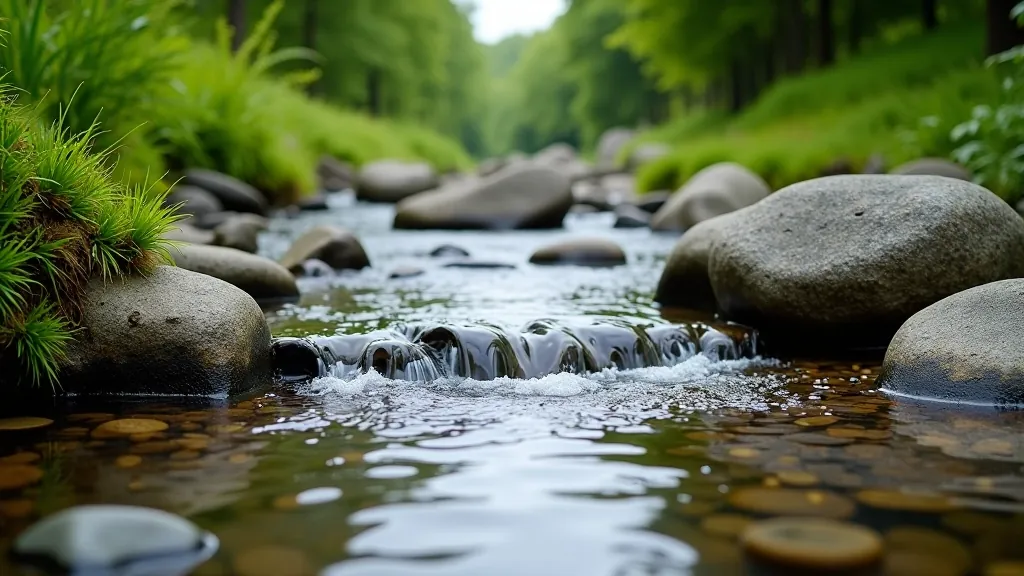
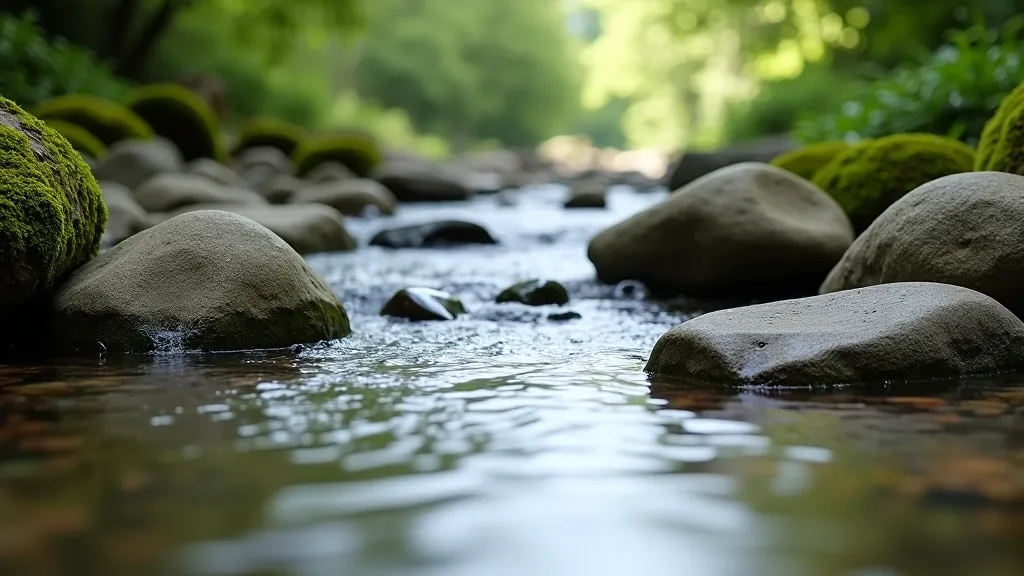
The river's the reason you're here, really. It flows constant and clear, carving through the valley floor with this unhurried persistence. There are several places where you can stop and actually sit by the water. Some spots have natural pools where the current slows, and the water's genuinely inviting if you're brave enough to paddle.
About 2 kilometers in, there's a flat section with larger stones that work perfectly as seating. This is where most people stop for lunch. It's sheltered from wind, relatively dry even after rain, and the sound of the river's meditative rather than overwhelming. Don't take anything from the river — no rocks, no plants. Leave it exactly as you found it.
The Glenmalure valley floor walk isn't famous because it's extreme or challenging. It's worth doing because it shows you something real about Irish landscape. You get the height, the history, the geology, and the ecology all at once. The granite walls that surround you are part of an ancient mountain range. The river's been carving this valley for millennia. You're walking through deep time in a very accessible way.
It's also quiet. That matters. There's something restorative about a place where you can hear yourself think, where the main sounds are water and wind and birdsong. You don't need to be a serious hiker to appreciate it. You just need to show up, bring the right gear, and give yourself enough time to actually experience the place instead of rushing through it.
Go in spring for wildflowers. Go in autumn for atmosphere. Go in summer if you don't mind crowds. But go — this is one of those walks that stays with you.