Complete Guide to Glenmalure Valley Floor Walk
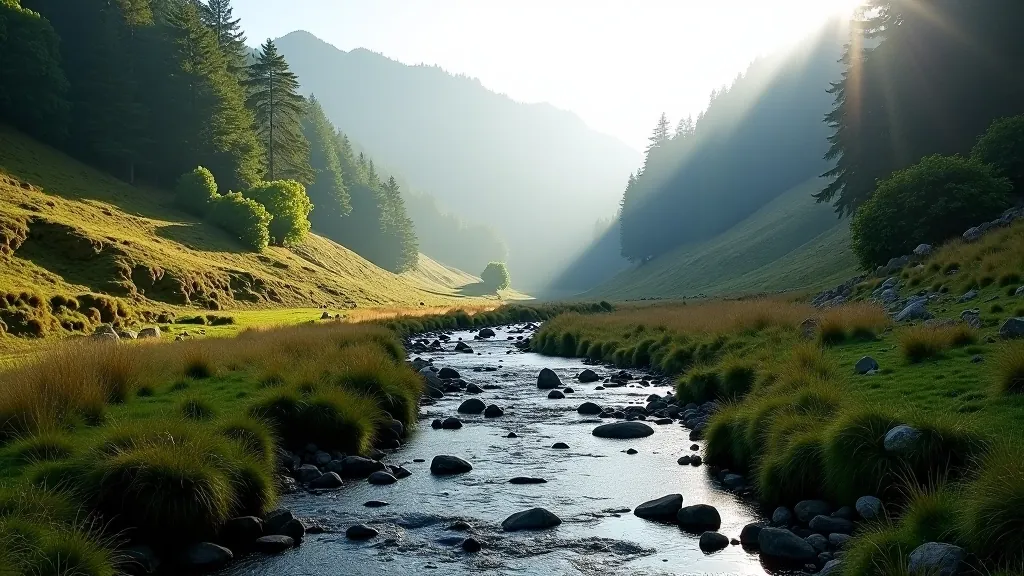
Everything you need to know about the valley floor walk — distance, difficulty, terrain features, and what to expect at each stage of the route.
Read Guide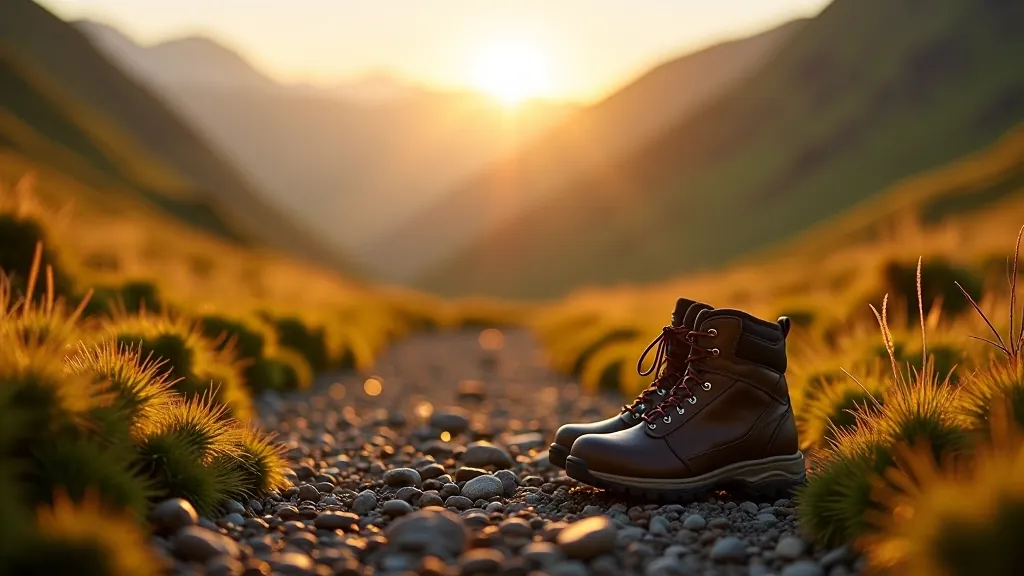
Practical packing tips for a comfortable day exploring the valley. We've covered gear, clothing, and supplies that actually make a difference.

Planning a day in Glenmalure Valley? You're going to love it. The walks are stunning — whether you're doing the valley floor route or exploring along the river — but getting it right starts before you leave home. We've spent years hiking this glen in every season, and we've learned what actually matters when you're out there for six to eight hours.
It's not about carrying everything. It's about carrying the right things. A good pair of boots beats expensive gear. Water matters more than snacks. And knowing what the weather's actually going to do beats guessing. This guide walks you through exactly what to bring.
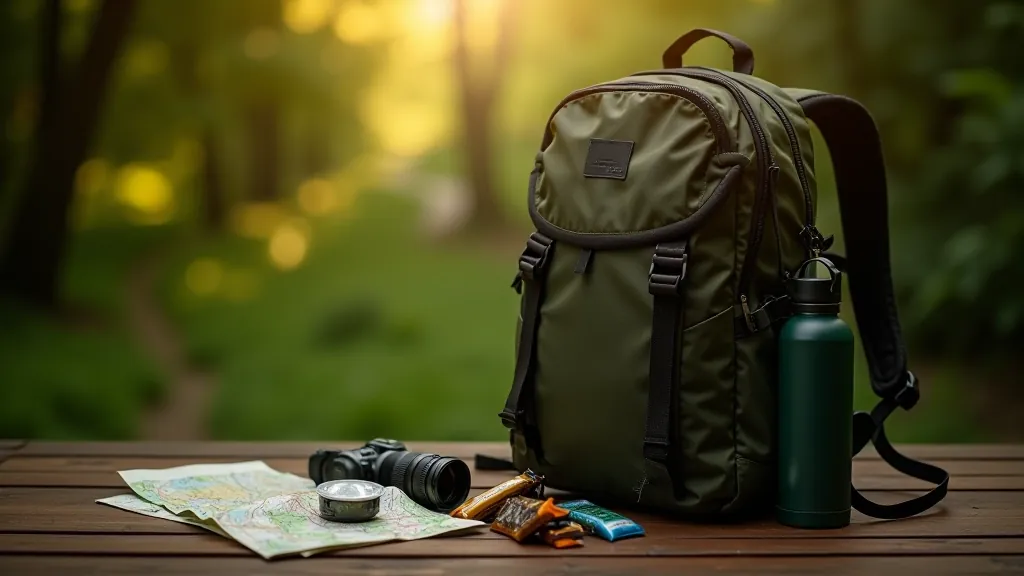
Some things you don't leave home without. Period. Water is the biggest one — bring at least 2 liters. You'll drink more than you think, especially if you're walking in warmer weather or at a decent pace. The trails don't have water stops, so you're carrying what you need. A good rucksack matters too. You want something in the 20-30 liter range with proper hip straps. Your shoulders will thank you after hour three.
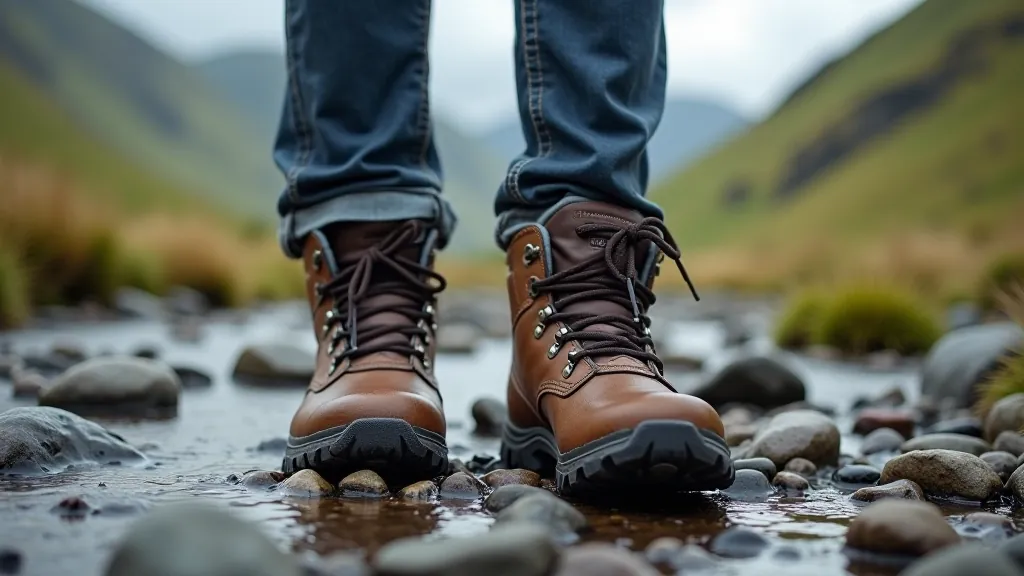
Boots or good hiking shoes are non-negotiable. The trails get muddy, especially near the river sections, and you'll cross streams. Waterproof is better than breathable when you're in Ireland. A decent pair lasts for years and prevents blisters. Don't skimp here. Plus, you'll want a map and compass — or know how to use your phone GPS without draining the battery. We've seen too many people realize halfway through their walk that they're not actually sure which way to go.
Quick Checklist
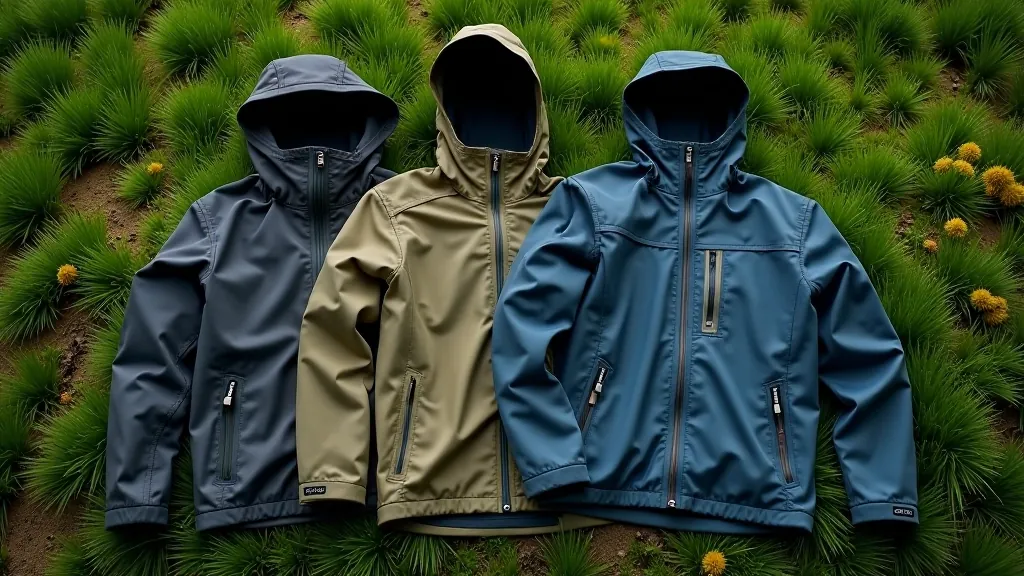
Weather in the glen changes fast. You can start in sunshine and be in cloud cover within an hour. Layers are the answer. Start with a moisture-wicking base layer — wool or synthetic, not cotton. Cotton holds sweat and you'll get cold. Add a mid-layer like a fleece or lightweight wool. Then bring a waterproof jacket that actually works. Not a rain shell that lets moisture in from the inside. Something that breathes a bit but keeps water out.
Wear trousers you don't mind getting wet. Jeans are a nightmare — they stay wet and heavy. Go for hiking trousers or even joggers. Merino wool socks are worth the money. They don't get as damp, they dry faster, and your feet stay warmer. A hat helps too. You lose heat through your head, and the sun's stronger at altitude than you'd expect. Most people underdress and regret it. Better to pack something you don't need than wish you had it halfway up.
You'll need energy. Pack trail snacks that don't need cooking — energy bars, nuts, dried fruit, chocolate. Bring more than you think you'll eat. Walking six hours burns serious calories. A banana and a chocolate bar weigh almost nothing and make a massive difference when you're tired.
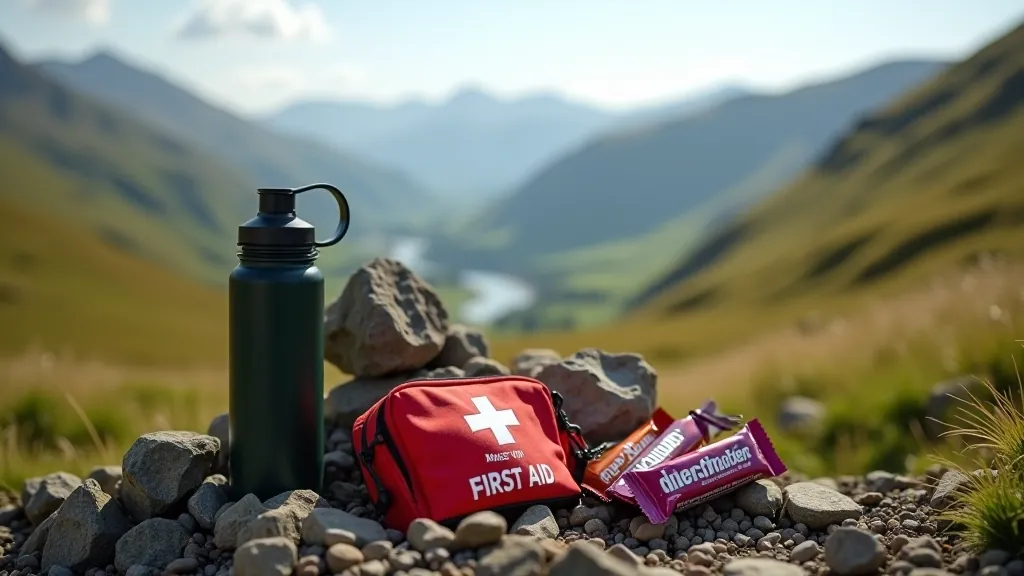
A basic first aid kit is essential. Blister treatment matters more than you'd think. Paracetamol or ibuprofen, plasters, antiseptic wipes, and something for headaches. A headlamp or torch is critical if there's any chance you'll be out past late afternoon — it gets dark early in the valley, and you don't want to be navigating uneven ground in poor light. A small repair kit with duct tape, safety pins, and a multi-tool saves the day more often than you'd expect.
Pro Tip: Bring a lightweight plastic bag. You'll collect rubbish you find (please do), keep wet items separate, and use it as an emergency waterproof if needed.
Longer daylight hours are great. But midges can be annoying near the river. Bring insect repellent. The sun's strong — bring SPF 30+ and reapply. Lighter layers work, but don't drop the waterproof jacket. Mountain weather doesn't care about the season.
The best season for hiking here. The light is incredible, but it gets dark by 5 PM. A headlamp is mandatory. Paths get slippery with wet leaves. Grip on your boots matters. The weather's changeable — bring all your layers even if it looks nice.
Cold and wet. Definitely waterproof everything. Thermal layers, warm socks, and a good hat. Paths can be icy — consider microspikes if there's snow. It gets dark at 4 PM. A headlamp isn't optional. Check weather forecasts before you go.
Important Notice
This guide provides general information about hiking in Glenmalure Valley. Weather conditions, trail difficulty, and safety considerations vary with season and individual fitness levels. Always check current weather forecasts before setting out, bring proper navigation tools, and tell someone where you're going. If you're unfamiliar with the area, consider hiring a local guide. Walking in mountains involves inherent risks — assess your abilities honestly and turn back if conditions worsen.
The glen rewards you when you're prepared. It's not complicated — good boots, enough water, layers you can adjust, and the knowledge of what conditions you might face. Most people who've had bad experiences in Glenmalure didn't because the valley was dangerous. They had a rough time because they weren't ready for what they found. You'll be different. You'll walk the valley floor or rest by the river, see the light change across the slopes, and understand why people keep coming back to this place.
Pack smart. The experience takes care of itself.