Complete Guide to Glenmalure Valley Floor Walk
Everything you need to know about the valley floor walk — distance, difficulty, and step-by-step route instructions.
Read Guide

Glenmalure's a living ecosystem. It's not just a pretty valley—it's home to birds you've probably never seen, plants adapted to mountain life, and animals that've carved out their own routines here. If you're heading into the glen, understanding what you might encounter makes the experience so much richer.
This guide covers what actually lives here and how to spot things responsibly. We're talking about real creatures with specific habits, not generic wildlife facts. You'll learn which birds sing at dawn, where to find rare plants, and what animals prefer the river edges.
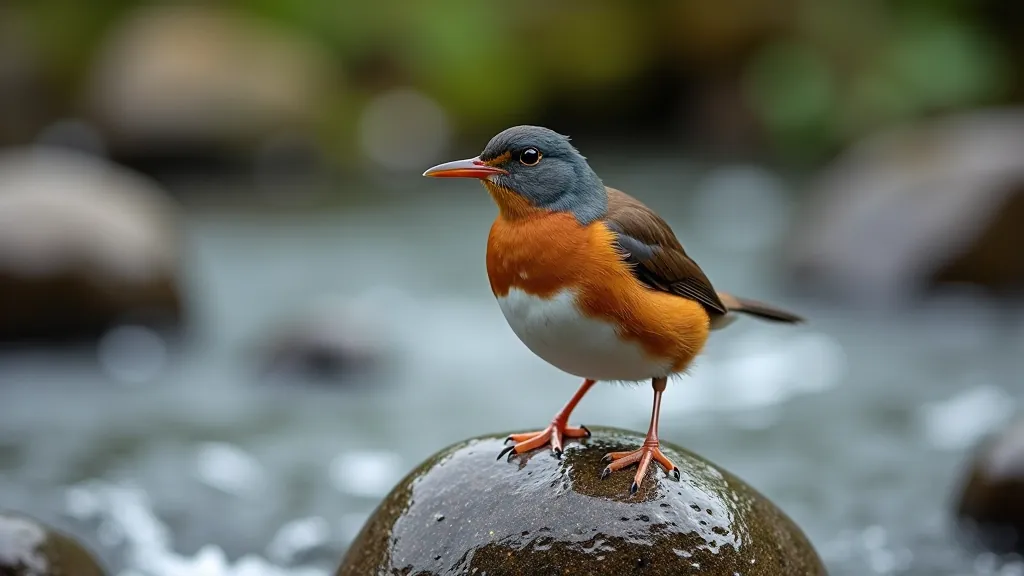
The valley's a haven for birdwatchers. You'll find everything from common garden species to mountain specialists. Dipper birds work the river year-round—they're the ones you'll see diving underwater to hunt. Grey wagtails follow the water too, bobbing along rocks with that distinctive tail action.
Higher up the slopes, you might spot buzzards circling. They're not aggressive—just hunting for small mammals in the grassland. Golden eagles have been spotted in recent years, though they're rare. If you see a large bird with that powerful silhouette, count yourself lucky. Most mornings bring chaffinches, wrens, and blackbirds calling from the trees. The wren's particularly loud for its size.
Pro tip: Bring binoculars and arrive early. 6am to 8am is prime bird-watching time when activity peaks. Move slowly and let sounds guide you to where birds are feeding.
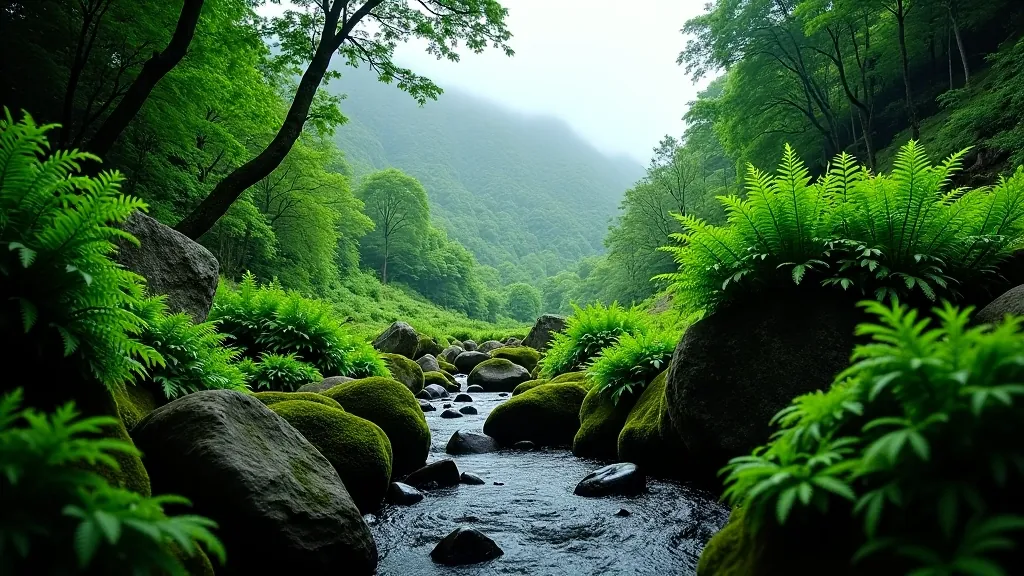
The glen's not all grass and trees. There's real botanical interest here. Ferns dominate the damper areas—you'll see hart's tongue, lady fern, and male fern creating that lush undergrowth. In spring, wood anemones carpet shaded sections with white flowers. Bluebells follow if conditions are right.
On the slopes, heather and gorse take over where the soil's thinner. Look for bog asphodel in wetter patches—it's got these tiny yellow flowers and isn't common everywhere. Moss covers everything in the damper forest sections. Don't step on it unnecessarily. The ecosystem's fragile in these spots. Along the river, you'll find water mint and occasionally purple loosestrife if the season's been wet.
Best time to see wildflowers:
Responsible Wildlife Viewing: This guide's educational—it's about understanding what lives here so you can observe respectfully. Don't pick plants, don't disturb nests, and keep a safe distance from animals. Photography's fine. Getting too close isn't. The valley's fragile, and these creatures were here first.
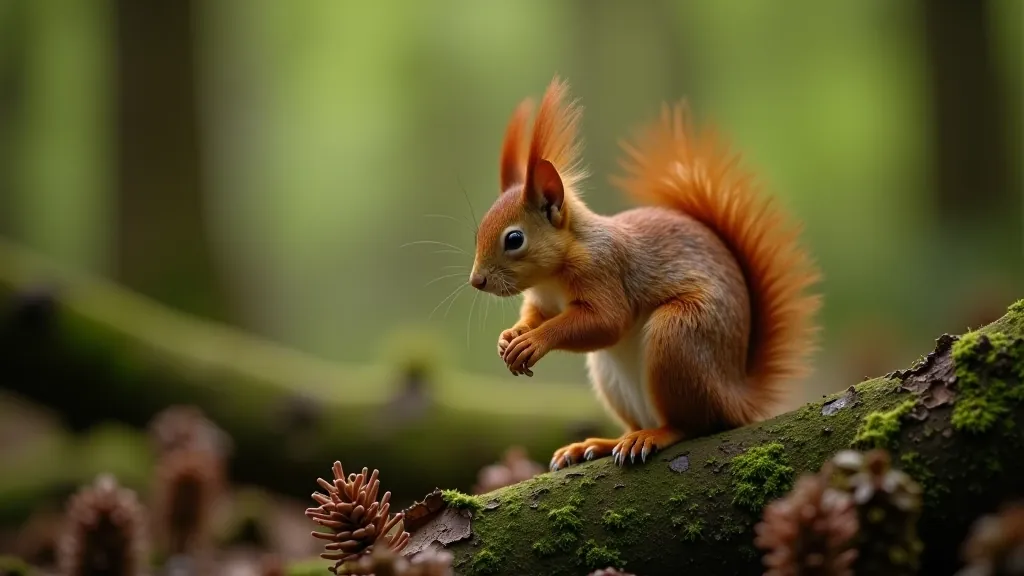
You're less likely to see mammals than birds, but they're here. Red squirrels inhabit the conifer plantations. They're not aggressive—just curious. Foxes use the valley, particularly around dusk and dawn. You'll probably never see one, but their tracks appear in soft ground after rain.
The river supports otters. Seriously. They've made a comeback in Irish rivers over the past decade. You won't spot them easily—they're shy and active mainly at night. But if you see five-toed paw prints in mud near the water, that's likely otter evidence. Badgers also inhabit the glen. Their setts are hidden, and they're nocturnal, so sightings are rare. Rabbits and hares are common in grassier sections. Hares are faster and larger than rabbits—if you see one bounding, you'll know it.
Bats hunt at dusk. You'll see them swooping over water catching insects. They're harmless and actually fascinating to watch for five minutes. Pipistrelle bats are the most common species here.
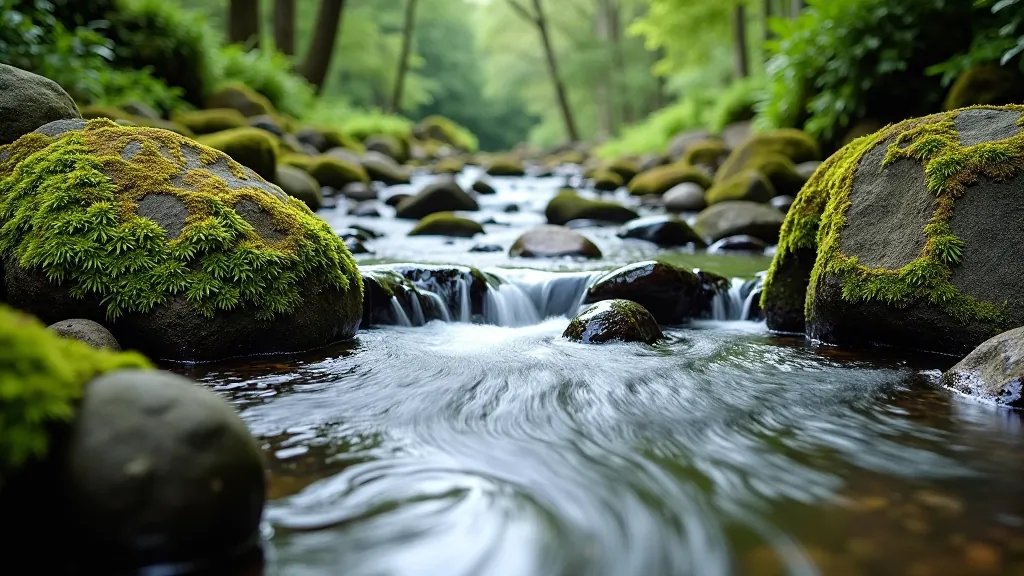
The Glenmalure River's the valley's heart. It supports creatures you won't see unless you look carefully. Brown trout live in the deeper pools. They're shy and fast. The water quality's good, which supports healthy fish populations. If you're fishing, there are regulations—check local guidelines before casting.
Freshwater pearl mussels inhabit the cleaner sections. They're protected by law—you can't remove them or damage their habitat. Crayfish were historically here but have declined. Dragonflies hunt over the water in summer. The nymphs live underwater for years before emerging. Kingfishers have been spotted along the river—they're electric blue and fast, fishing by diving from branches.
"The river's cleaner now than it was fifteen years ago. That means more wildlife, more otters, better fishing, and a healthier valley overall. When you're here, you're benefiting from decades of conservation work."
Spotting wildlife isn't about chasing animals or getting perfect photos. It's about patience and quiet observation. Bring binoculars, move slowly, and let the valley reveal itself. Early mornings are best. The air's clearer, birds are active, and you'll have fewer people around to startle things.
Don't expect to see everything at once. Some visits you'll see otters, others you won't see anything remarkable. That's wildlife. It's unpredictable. But if you understand what lives here and respect their space, you'll appreciate Glenmalure as more than just a scenic walk. You'll see it as a functioning ecosystem where you're a visitor, not the main attraction.
Keep noise minimal. Leave no trace. Take only photographs. That's how you ensure these creatures and plants stay here for the next person to discover.