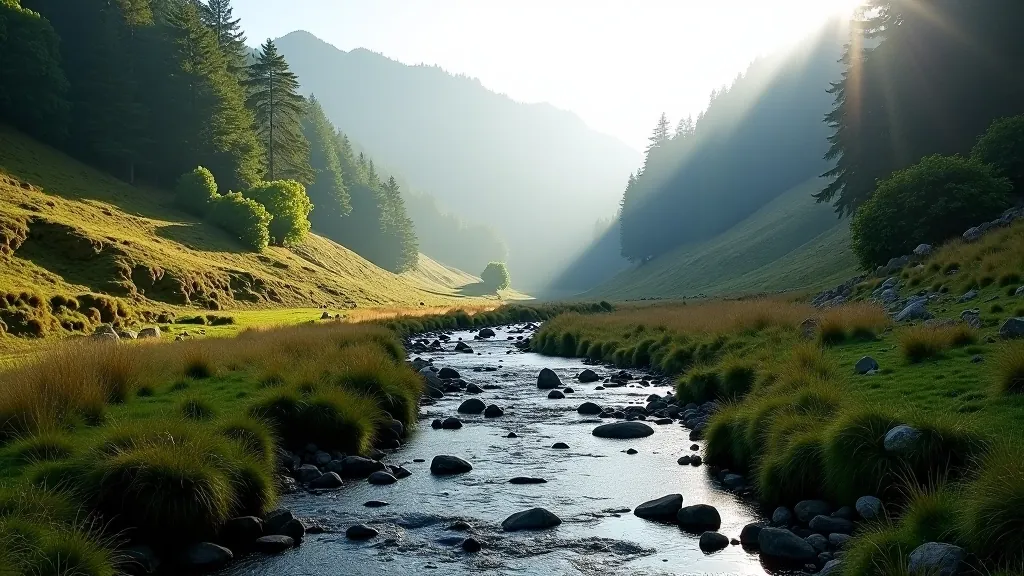
Complete Guide to Glenmalure Valley Floor Walk
Everything you need to know about the valley floor walk — distance, difficulty, seasonal variations, and step-by-step navigation through Glenmalure's most popular route.
Read Guide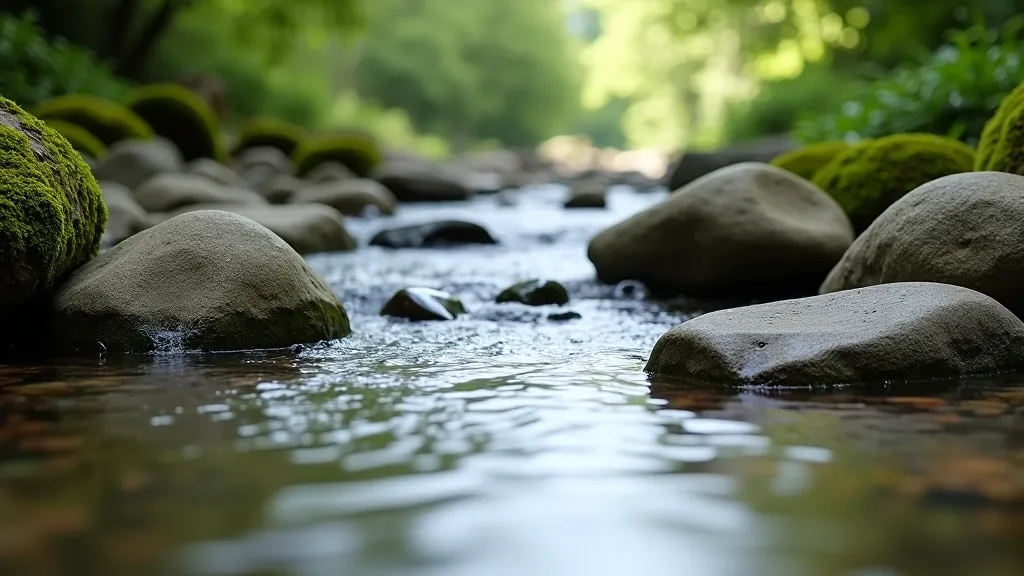
Discover the quietest, most scenic spots along the Glenmalure river where you can pause, breathe, and reconnect with nature.

When you're exploring Glenmalure's valley floor, the river isn't just scenery — it's an invitation. The water pulls you toward rest. There's something about sitting beside flowing water that settles your mind in ways a bench on a flat path never will.
The best rest areas aren't the ones marked on maps or mentioned in guidebooks. They're the spots where the river slows, where rocks form natural seats, where trees provide shade without making everything gloomy. We've spent years exploring these locations, and they all share something: they feel like they were designed specifically for pausing.
Finding them takes a bit of intention. But once you do, you'll return again and again.
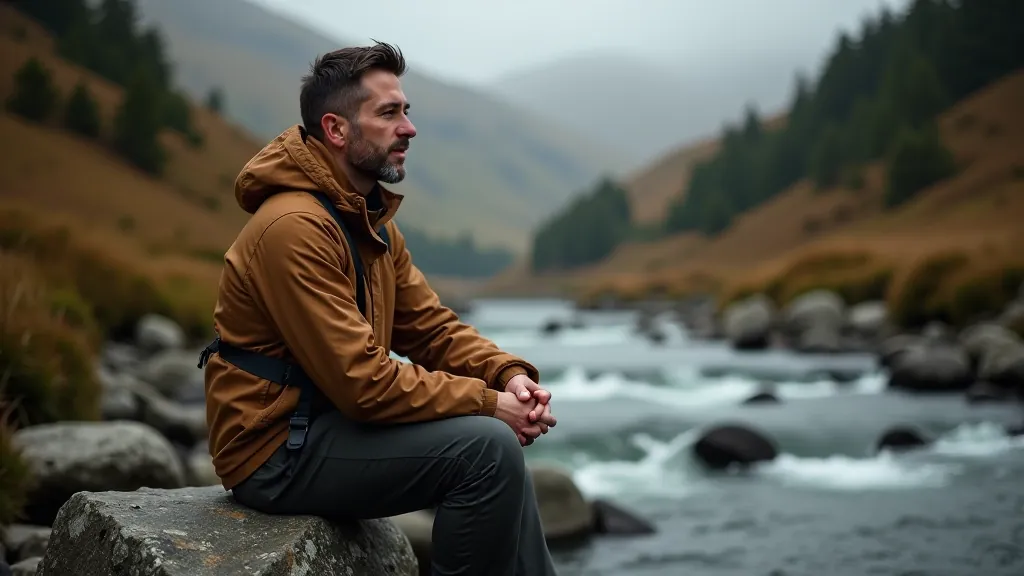
We've mapped out the clearest locations where you'll find comfort and safety alongside the water.
This is where you'll find the calmest water in the entire valley section. The river pools here for about 40 meters, creating a natural amphitheater of stone and moss. Three flat rocks sit perfectly for perching, and the water's slow movement feels almost meditative. Getting there takes about 25 minutes from the main path.
Here's where shade becomes your friend. Three mature oaks lean toward the water, creating a cool pocket even on hot days. The bank's gentle slope means you can actually lie down if you want. The spot sits roughly 35 minutes into the walk, and it's perfect for longer breaks when you need real recovery time.
A natural rock ledge sits above a minor cascade. The view of falling water is genuinely calming, and the spot's elevation gives you distance from the main path. You'll feel isolated here even though you're not far from other walkers. The ledge is narrow but secure, about 45 minutes along the valley.
This wider area opens up near the valley's upper reaches. The river widens here, creating shallow zones perfect for paddling if you want. The surrounding meadow means you've got room to move around, and it's the least crowded spot we've found. Plan about 50-60 minutes to reach it from the valley entrance.
This guide is informational and based on documented conditions as of June 2026. River conditions can change seasonally — water levels rise after heavy rain, rocks become slippery, and access routes may shift. Always check current conditions before visiting. Wear appropriate footwear with good grip, carry water, and let someone know your route. These locations aren't officially maintained rest areas, so exercise caution when climbing or positioning yourself near water.
A good rest isn't just about stopping — it's about doing something that actually restores you. We've noticed walkers who spend five minutes looking at their phones don't feel as refreshed as those who sit quietly for the same amount of time.
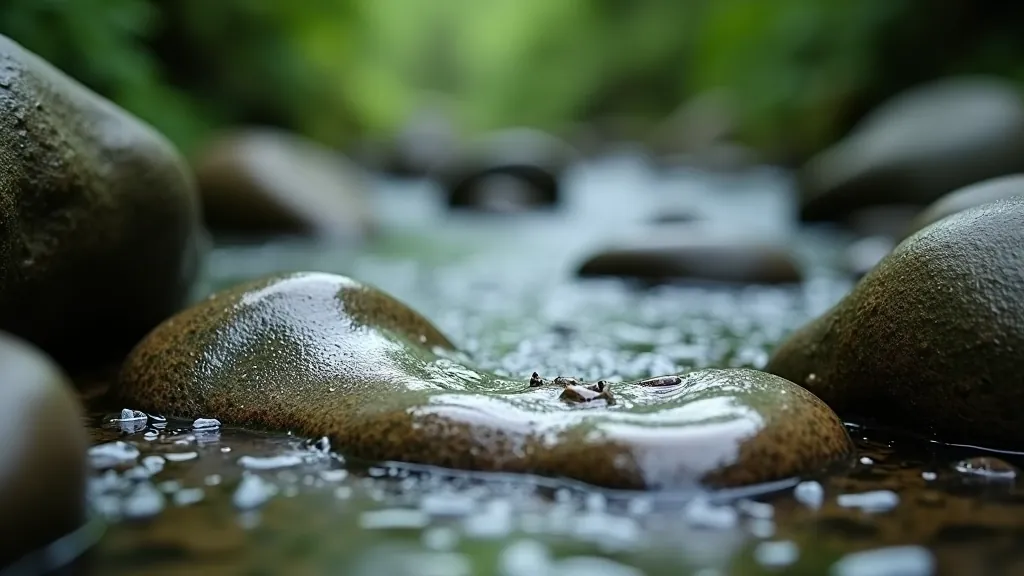
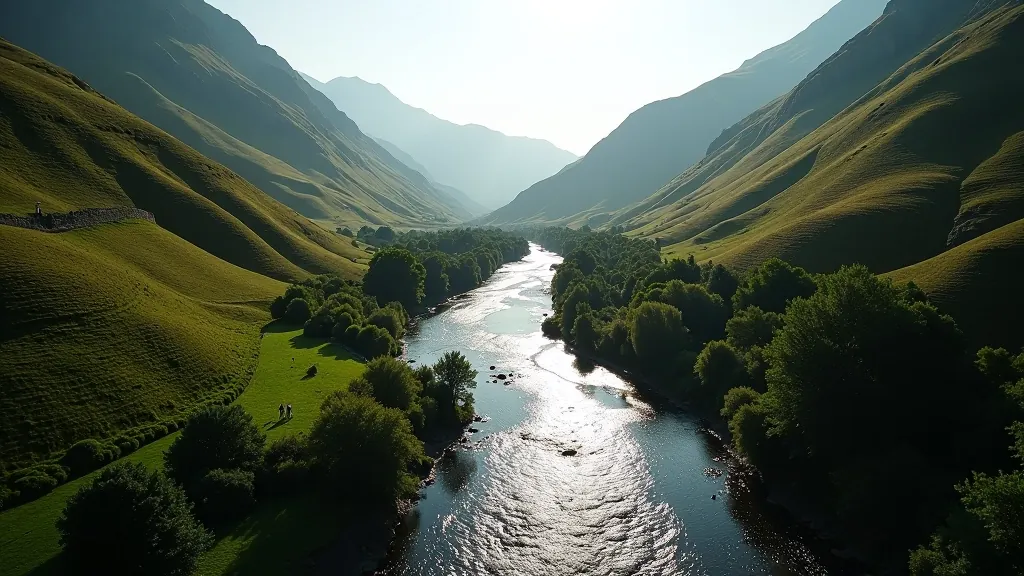
Access to all four spots is straightforward if you're comfortable walking the valley floor. None require scrambling or climbing skills — just solid footing and a willingness to leave the main path occasionally. The walking surface varies. Some sections have clear ground; others require stepping across rocks. Your shoes matter here. We'd recommend anything with good ankle support and grip.
Bring more water than you think you'll need. The river water looks clean, and it is, but it's colder than most expect. A 2-liter bottle per person keeps you comfortable for the full walk with breaks included.
The valley opens and closes seasonally. Spring brings higher water levels and more exposure to wind. Autumn offers the steadiest conditions. Winter can be challenging — the rocks get genuinely slippery, and shorter daylight means you'll need to start earlier. Summer's dry periods sometimes expose wider sections of exposed stone, making the walking easier but sometimes less interesting.
Most people rush through Glenmalure. They've got a route, a timeframe, maybe a photo they want to capture. That's fine — there's nothing wrong with moving through the landscape. But the walkers who find the most value are the ones who stop. They sit. They rest. They let the place settle into them rather than rushing through it.
These four spots exist specifically for that. They're not dramatic overlooks or Instagram-famous formations. They're quiet places where the water does most of the talking, and you get to just be present for it. Once you've found one, you'll understand why people return to Glenmalure again and again. It's not about conquering the valley — it's about letting it restore you.